


Where I think rhino conservation stands today in 2026
Why I remain cautiously hopeful
For those of us who have spent years working in the bush, rhino conservation has been a journey marked by heartbreak, determination, hope, and resilience.
There was a time when the rhino poaching crisis dominated every conversation. Rangers, conservationists, lodge staff, guides, and local communities all carried the weight of knowing that somewhere, every night, rhinos were under threat. The statistics were grim, and it often felt as though we were fighting a battle we could never truly win.Today, I believe the picture is more complex.
The crisis has not disappeared, and rhinos remain under immense pressure. Poaching still occurs, criminal syndicates are still active, and the demand for rhino horn continues to drive illegal wildlife trafficking. Yet there are signs of progress that deserve recognition.
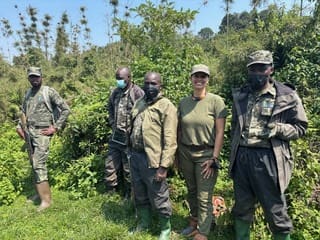
Across southern Africa, countless individuals and organisations have dedicated years of effort to protecting rhinos and other wildlife, such as the work of the Southern African Wildlife College.Rangers continue to patrol vast wilderness areas under difficult and often dangerous conditions. Conservation teams have embraced new technologies, intelligence gathering has improved, and collaboration between private reserves, national parks, law enforcement, and conservation organisations has strengthened significantly.
What gives me hope is that conservation has evolved. We have moved beyond simply reacting to poaching incidents. Increasingly, the conversation includes habitat protection, community involvement, education, economic opportunities, and creating a future where wildlife has value beyond tourism and beyond the illegal trade that threatens it.
Conservation cannot succeed if the people living alongside wildlife are excluded from the solution. Communities situated on the fence lines of conservation areas carry many of the costs associated with living with wildlife. If conservation is to succeed in the long term, local people must benefit from protecting wildlife and have opportunities to participate meaningfully in conservation efforts.This is where I believe some of the most important work is happening today.
We are seeing more initiatives focused on education, skills development, conservation training, and creating pathways into the wildlife economy. These may not generate the headlines that anti-poaching operations do, but they are essential to building lasting support for conservation.At the same time, we should be careful not to become complacent.
Rhinos remain one of the world’s most threatened iconic species. Economic pressures, organised crime, habitat loss, and ongoing demand for rhino horn mean that conservation gains can quickly be reversed.
I have witnessed the extraordinary commitment of people working to protect these animals. I have seen rangers dedicate their lives to the cause. I have met conservationists who refuse to give up. I have watched communities become increasingly involved in protecting the wildlife that shares their landscape.
Will the work ever truly be finished? Probably not.But if conservation is measured not only by the number of rhinos on the landscape, but by the number of people willing to fight for their future, then there is reason to be optimistic.
The rhino’s story is still being written. For now, that story remains one of resilience, and perhaps, cautious hope.
- Written by Lee-Anne Yammin.
- Professional Safari Guide • Conservationist • Founder of Breathe Africa Travel
BREATHEAFRICATRAVEL
Discover expert travel insights, wildlife stories, conservation updates, and inspiration for your next African adventure.
Join Our Substack

Copyright © 2025 Breathe Africa Travel | TERMS | PRIVACY | DESIGN bY ST. COMUNICA
